
DEVELOP STRONG PASSING AND RECEIVING SKILLS
Give-N-Go is the first hockey puck rebounder to use solid rubber bumpers (patent pending). These one-of-a-kind bumpers are custom-designed and manufactured to precise specifications in rubber hardness and thickness for rebounding even the hardest passes back to the passer fast and flat, with natural and predictable rebound action.
Shop Now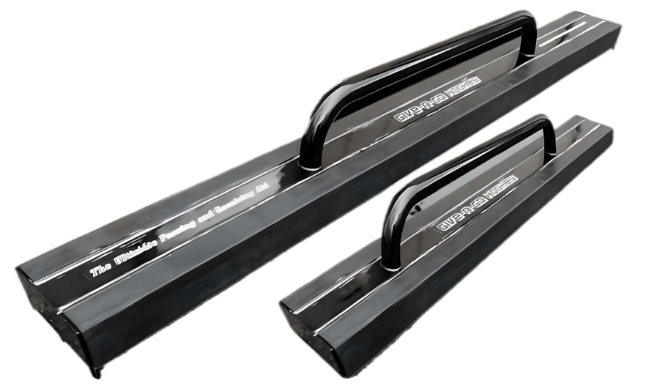
GIVE-N-GO HOCKEY
The Ultimate Passing Aid- On- and off-ice models available
- Train all ages, all skill levels
- Used by NHL teams
- Develop passing/receiving skills
- 25 drills included

ATTENTION HOCKEY COACHES
Incorporate the Give-N-Go passing and receiving training aid into every practice to develop these critical skills:
PROFESSIONAL GRADE, MADE TO LAST
Manufactured and assembled in Michigan, USA
Heavy-duty all-steel frame made from 11 gauge steel (.120 wall thickness)
Convenient carrying handle is welded on the top middle of each frame

Super durable powder-coat finish
2 huge natural rubber bumpers bonded onto frame using high-tech industrial-grade structural adhesive
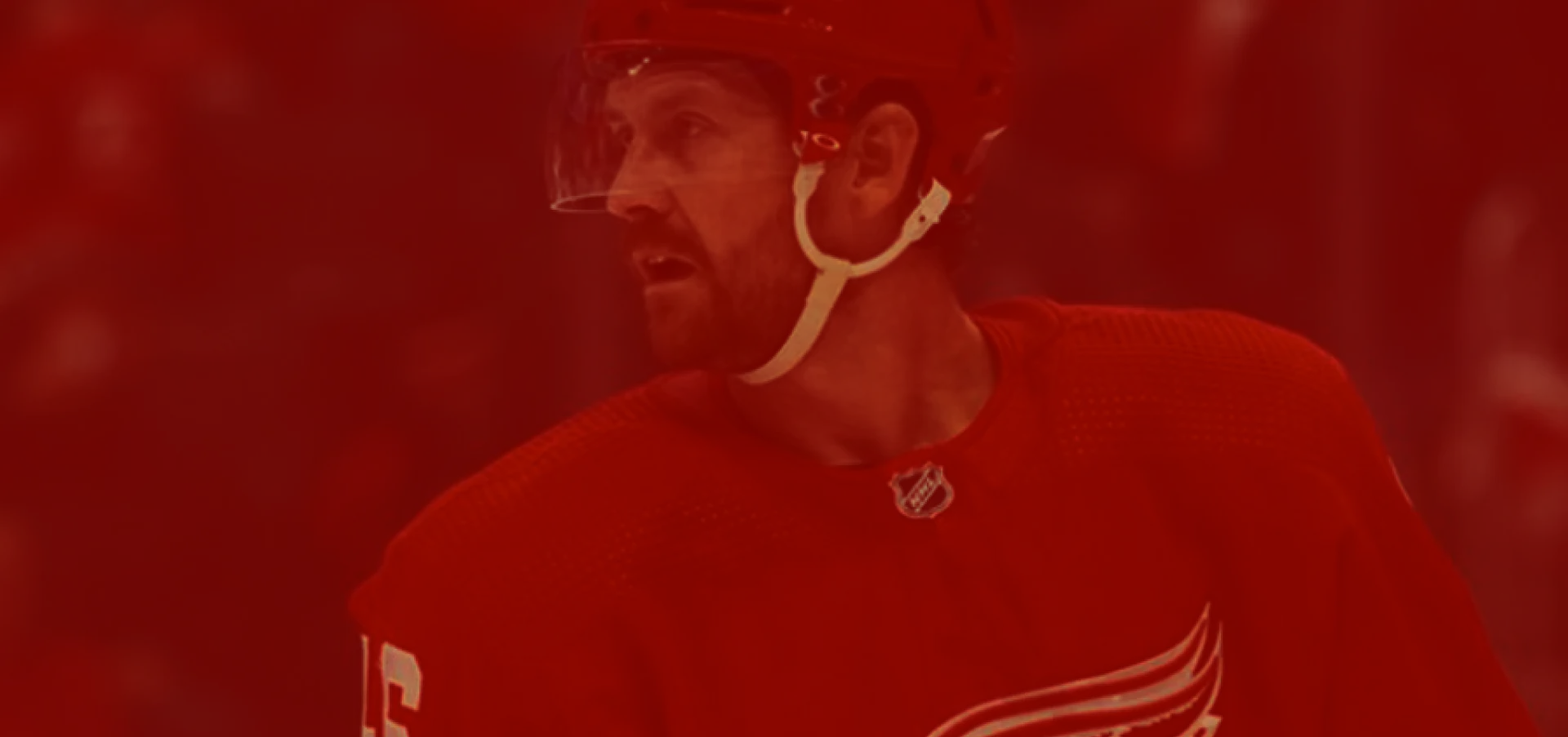
#26 of the Montreal Canadiens
JEFF PETRY
100% Made in USA
Practices His One-timer with  Training Aid.
60-inch model on-ice hockey training
- A full 5-foot target on each side makes the Give-N-Go™ 60-inch model the largest target in the world!
- Permanent gripper teeth, made from high-strength low-alloy steel, are precision welded on each end cap to grip the ice so even the hardest passes will not move the Give-N-Go from its position. Custom rubber safety caps are provided to protect steel teeth when not in use
- Total weight 34 pounds per unit

30-inch model off-ice hockey training
- A 2-1/2-foot target on each side
- Stays in place on any hard surface, indoor or outdoor
- Total weight 19 pounds per unit
- Green Biscuit recommended for best results with off-ice use
PASSING AID
REVIEWS OF THE GIVE-N-GO HOCKEY™ PASSING & RECEIVINGTRAINING AID
Passing Aid for Hockey Training
A passing aid helps hockey players improve passing accuracy, timing, and puck control by returning the puck quickly and consistently. It supports solo or team drills on real or synthetic ice and builds reaction speed through repetition. Used correctly, it reinforces game-like hand positioning and decision-making under pressure.
Key Takeaways
- A passing aid improves puck control and timing.
- Works for both solo and team practice.
- Compatible with real and synthetic ice.
- Supports youth through advanced players.
- Encourages measurable skill progression.
What Is a Passing Aid and How Does It Improve Skill Development?
A passing aid is a hockey training tool designed to return the puck after a pass. Instead of chasing loose pucks, players repeat controlled passes and focus on technique. Consistent repetition builds muscle memory, improves hand positioning, and sharpens passing accuracy. Whether you’re practicing give-and-go plays or quick-touch puck control, structured repetition helps translate skills to game situations.
For a complete performance approach, explore hockey development resources at Give-N-Go Hockey.
How Do Ice Hockey Training Aids Simulate Real Game Situations?
Passing and Puck Rebound Systems
Puck rebounders simulate live returns, forcing players to react quickly. This supports breakout passing, small area games, and reaction speed development.
They can be used on real ice or synthetic ice surfaces for year-round training.
Shooting and Accuracy Trainers
Some systems double as shooting trainers. Players can work on wrist shots, snap shots, and one-timers while reinforcing puck control mechanics.
Goalie Reaction and Rebound Tools
Passing systems also support goalie training by creating unpredictable rebound angles. This improves rebound control and reaction timing.
Why Use Hockey On Ice Training Equipment for Team and Solo Drills?
Durable hockey on ice training equipment holds up in cold rink environments and sets up quickly during practice.
For solo athletes, repetition builds confidence. For teams, it improves drill efficiency and puck movement rhythm.
At-home setups in garages or driveways allow quiet off-ice work without constant puck retrieval.
What Makes Professional Ice Hockey Training Equipment Durable?
Quality systems use reinforced rubber and impact-resistant materials. Stability prevents sliding during high-speed drills.
Portable designs make them ideal for travel teams or players training in multiple locations.
How Do You Choose the Right Hockey Training Equipment?
Skill Level
Younger players benefit from controlled rebounds and simple passing drills. Advanced players may focus on reaction speed and quick-release passing.
Training Environment
Consider basement space, driveway surfaces, or rink access. Ensure compatibility with real pucks and synthetic ice.
Frequency of Use
Daily training requires durable construction and stable design.
FREQUENTLY ASKED QUESTIONS
Yes, most systems are compatible with synthetic surfaces.
Yes. Designed for regulation pucks.
Yes. Players of all levels can build fundamentals through repetition.
Most systems set up quickly and require minimal adjustment.